Malaysia's E-Hailing Crisis: Drivers Work Longer Hours But Take Home Less
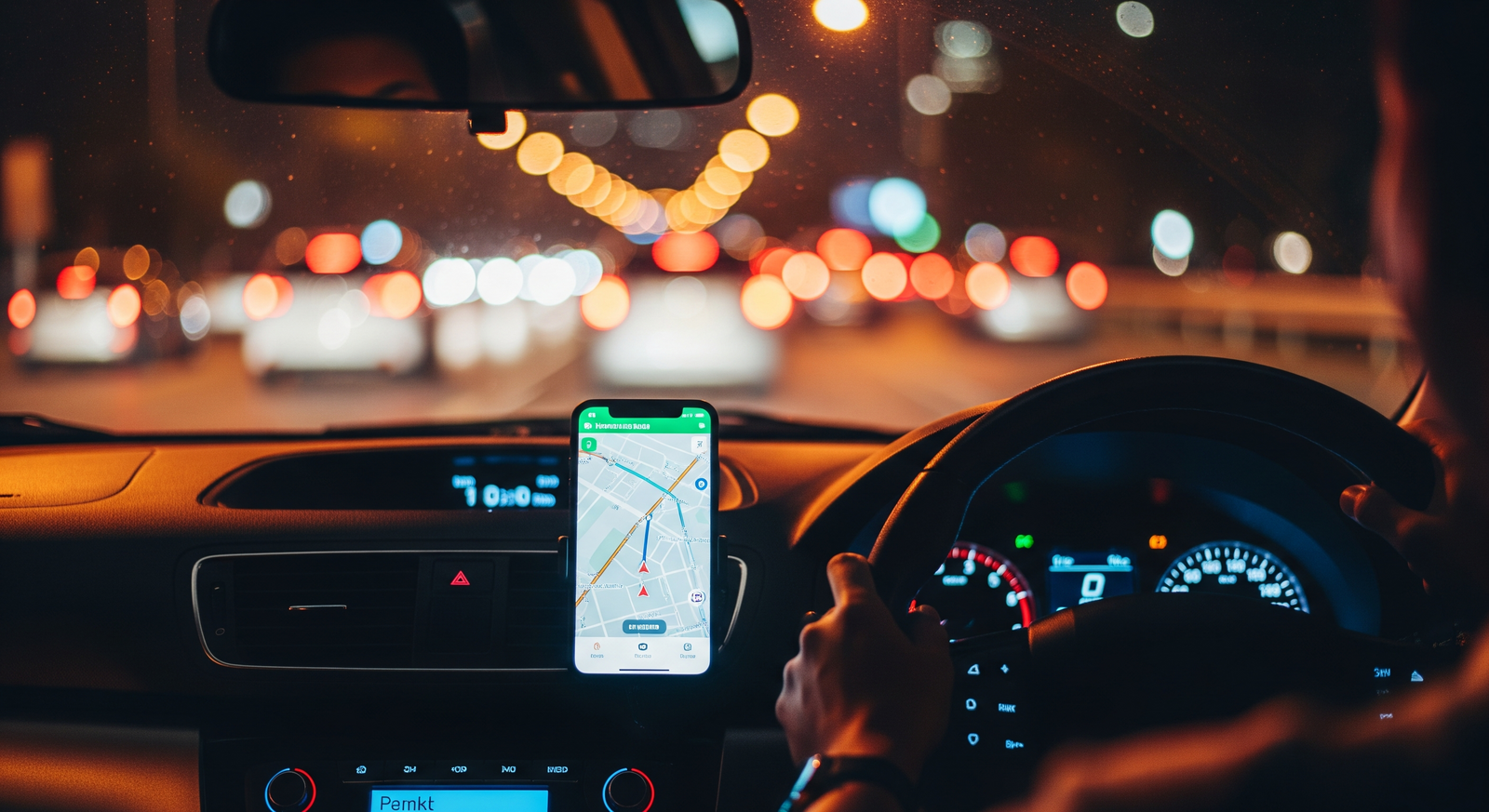
Imagine working 12 hours a day, 6 to 7 days a week, yet the money you bring home keeps shrinking compared to 3 or 4 years ago. That is the reality facing more than 100,000 e-hailing drivers in Malaysia today. The issue of e-hailing driver income has become one of the hottest economic debates in the country, touching on platform commissions, government subsidies worth more than RM1.5 billion a year, and the future of the gig economy itself.
In this article, we break down what is really happening in Malaysia's e-hailing industry, why driver income keeps falling even as they work longer hours, and what it means for you as a consumer and an investor.
What Is Happening in Malaysia's E-Hailing Industry?
According to The Star's report "Hailstorm Over Rides", which was also covered in a short video by StarBiz Malaysia, Malaysian e-hailing drivers are now working longer hours, resting less, and still struggling to bring home the same income as before.
Masrizal Mahidin, chief activist of Gabungan eHailing Malaysia (GEM), revealed that drivers' net earnings have fallen by between 30% and 50% compared to 3 or 4 years ago. This is not just a statistic. It means a driver who used to take home RM3,000 a month may now earn only RM1,500 to RM2,100 for the same working hours, and often even longer ones.
What makes it more worrying is that this trend is happening while the cost of living continues to rise. Drivers are not only facing shrinking income, but also operating expenses that swell year after year.
Why Have Drivers' Net Earnings Fallen 30% to 50%?
Two major pressures are squeezing e-hailing drivers at the same time: rising operating costs and increasingly low fare rates.
Operating costs keep climbing
A report by Free Malaysia Today highlights that fuel, vehicle maintenance, insurance and various other operating costs have continued to rise over recent years. Insurance premiums for e-hailing vehicles in particular have become a major issue, to the point that the Finance Ministry had to step in and insist that insurers cannot raise premiums arbitrarily without clear claims data.
Fare rates under growing pressure
At the same time, payout rates to drivers keep getting lower. According to GEM data reported by The Star, Grab drivers are now paid as little as 25 sen per kilometre, plus 43 sen per minute of a journey. At these rates, a 10km trip taking 15 minutes generates only around RM9 gross for the driver, before deducting fuel, app commission and vehicle depreciation.
The combination of these two factors forces many drivers to work far longer hours just to maintain the same income. Some end up driving more than 12 hours a day, a practice that is not only exhausting but also raises road safety risks.
Platform Commission Structure: The 20% Cap and Grab's GSF Model
Since 2019, Malaysia has capped e-hailing platform commissions at 20% of fares. However, in August 2024, the Transport Ministry approved Grab to pilot its Grab Service Fee (GSF) model, a variable commission structure that some drivers say can result in higher effective deductions on certain trips.
GEM is now proposing that the commission cap be lowered to 10%, compared to the 20% to 30% range said to occur in current practice. Their argument is simple: if drivers were paid fairly, their reliance on government assistance would fall on its own.
What Can Malaysia Learn From Indonesia?
Our neighbour Indonesia has just taken a drastic step. Effective 1 July 2026, the Indonesian government imposed an 8% commission cap for online motorcycle taxi (ojek) services, down from the previous range of 10% to 20%. Under the new policy, drivers in Indonesia now keep 92% of every fare, and major platforms such as Gojek, Grab and Maxim have confirmed they are ready to comply.
The question is, why has Malaysia not done the same? We explored this issue in depth in our article Why Indonesia Can Cap Grab & GoTo Commissions at 8% But Malaysia Has Not - including differences in market structure, regulatory powers and the impact on platform business models. In short, cutting commissions is not a simple decision because it involves balancing driver welfare, consumer prices and the survival of the platforms themselves.
The BUDI95 Subsidy: A Lifeline Worth RM1.54 Billion a Year
While the commission issue remains unresolved, the government has chosen another approach to help drivers: targeted fuel subsidies. According to RTM, more than 106,000 registered e-hailing drivers now qualify for subsidised RON95 petrol under the BUDI95 programme, with a quota of up to 800 litres a month for full-time drivers.
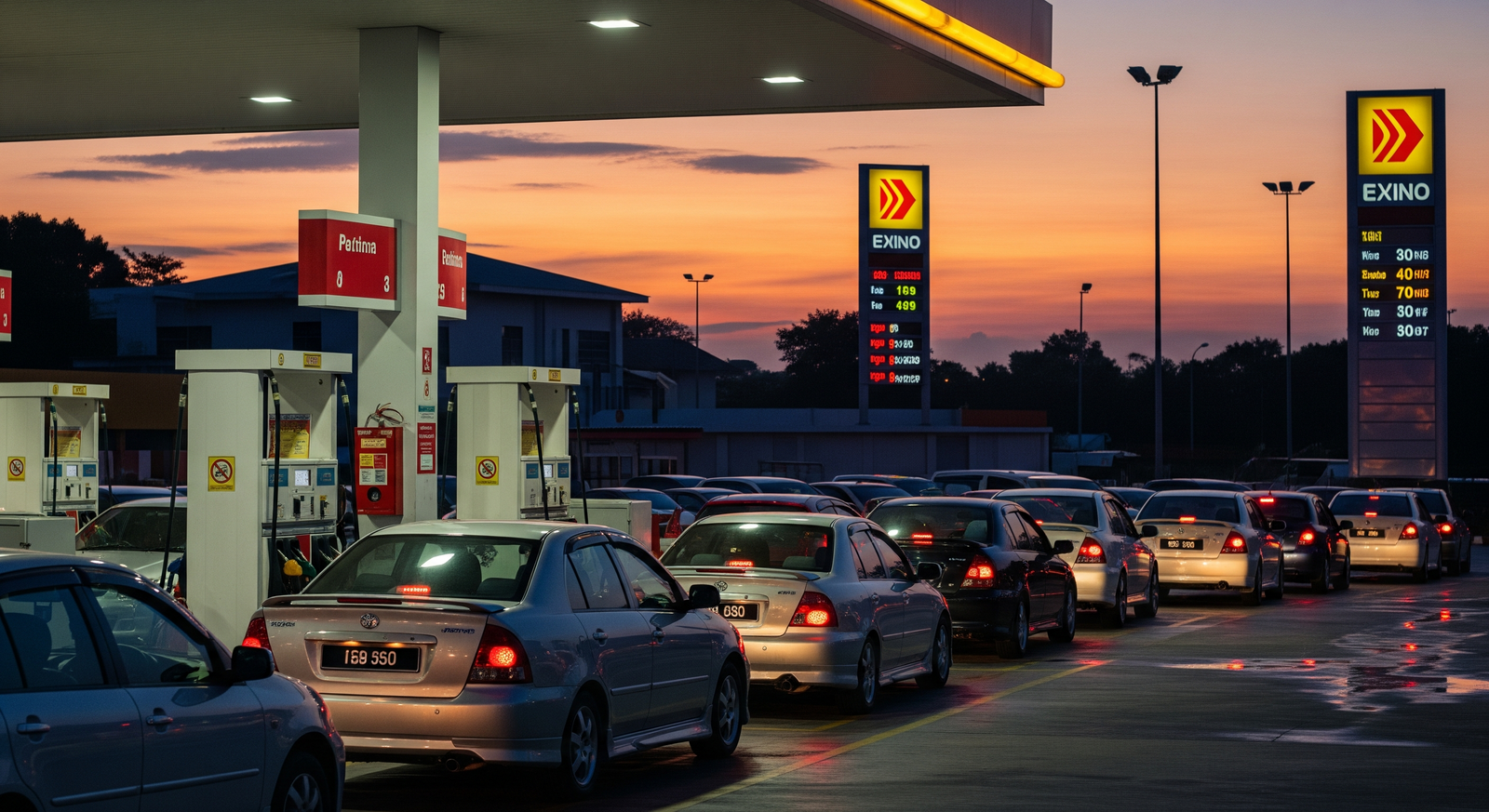
The 800-litre quota is no small number. According to paultan.org, it is equivalent to a monthly travel distance of about 5,000km, and only drivers who clock more than 2,000km a month qualify for this additional allocation.
But there is one figure worth reflecting on as taxpayers. Based on an average subsidy of around RM2.02 per litre in April 2026, if all 106,000 drivers fully used their 800-litre quota, the cost to the government could reach RM128 million a month, or roughly RM1.54 billion a year. That is equivalent to the construction budget of several hospitals every year, channelled specifically to support a single industry.
To understand the full context of the fuel subsidy programme, read our BUDI95 chronology: from the RM1.99 promise to the 200-litre quota cut and our guide on how to check your BUDI95 petrol subsidy eligibility.
Expert Views: Subsidies Are Justified, But Not the Final Answer
Is it fair for taxpayer money to be used to support e-hailing drivers' income? Economist Prof Yeah Kim Leng believes this support is justified. Many full-time drivers actually fall within the lower income group, and fuel is one of their biggest operating costs. Reducing that burden is the quickest way to improve their take-home income.
However, he adds one important condition: platform operators must also play a bigger role in ensuring drivers receive a fair share of the industry's earnings. In other words, government subsidies should not become an excuse for platforms to keep squeezing driver payout rates.
A different perspective comes from Wan Agyl, founder of the transport think tank MY Mobility Vision and former head of policy and planning at the Land Public Transport Commission (SPAD). He argues that the industry's problems go far beyond platform commissions. Malaysia, he says, needs better industry data before making any drastic policy decisions.
His warning is clear: forcing platforms to lower commissions without careful study could bring side effects such as higher fares for consumers, reduced driver incentives, or shrinking services in less profitable areas. In his view, e-hailing is no longer just a commercial service but has become part of the country's public transport network, providing first- and last-mile connectivity for millions of people.
The Impact on the Gig Economy and Consumers Like You
This crisis is not just a driver issue. It touches three major groups in the Malaysian economy.
First, gig workers. E-hailing is the easiest entry point into the gig economy, and for some Malaysians it is the family's main source of income. If earnings in this sector keep declining, the effects will be felt in household spending, the ability to save, and ultimately the quality of life of the B40 and lower M40 groups.
Second, consumers. Any policy change, whether a new commission cap or fare restructuring, will almost certainly affect the price you pay for every ride. Indonesia's experience will be an important test of whether a low commission cap can be implemented without pushing fares up.
Third, the government and taxpayers. A subsidy of RM1.54 billion a year is a significant fiscal commitment. In the long run, the question that must be answered is whether it is better for the government to keep covering drivers' operating costs, or to force structural reform in how the industry shares its revenue. This aligns with the targeted subsidy policy the government is rolling out in stages.
Social Protection: Government Measures Beyond Subsidies
Beyond fuel subsidies, the government is also moving on the social protection front. In Budget 2026, RM200 million was allocated for PERKESO (Socso) contributions for e-hailing and delivery workers, ensuring they receive employment injury coverage even without a formal employer.
The Gig Workers Bill tabled in Parliament aims to give legal recognition to gig workers, including dispute resolution mechanisms with platforms and fairer service term standards. For drivers, this means that for the first time there is a formal framework to challenge payout rates and commission deductions deemed unfair.
But social protection and subsidies are only buffers, not solutions. As long as the basic structure of driver income is not fixed, whether through fairer fare rates or more balanced revenue sharing, this issue will keep resurfacing every time the cost of living rises.
What Does This Mean for Investors?
For stock investors, the e-hailing crisis offers several interesting lessons about regulatory risk in the technology sector.
Grab Holdings, listed on NASDAQ under the ticker GRAB, has just recorded its first net profit of around RM920 million for 2025 after years of losses. But this profitability comes as regulatory pressure intensifies across Southeast Asia. Indonesia's 8% commission cap, and the possibility of similar pressure in Malaysia, could directly affect the profit margins of platforms like Grab.
This is a classic example of policy risk that you should factor in whenever you evaluate platform technology companies. Business models that depend on commissions from gig workers are always exposed to government intervention, especially when worker welfare becomes a political issue. As an investor, you should ask: how resilient are this company's margins if regulators cut its commission rates in half?
Frequently Asked Questions (FAQ)
How much do e-hailing drivers earn in Malaysia now?
It varies by location, working hours and platform. However, according to Gabungan eHailing Malaysia, drivers' net earnings have fallen by 30% to 50% compared to 3 or 4 years ago, even as working hours have grown longer.
Why is e-hailing driver income shrinking?
Two main causes: operating costs such as fuel, insurance and maintenance keep rising, while fare and per-kilometre payout rates keep falling. Grab drivers are reportedly paid as little as 25 sen per kilometre plus 43 sen per minute.
How much commission do e-hailing platforms take in Malaysia?
The official commission cap has been 20% since 2019. However, with variable commission models like the Grab Service Fee (GSF) piloted since August 2024, some drivers claim effective deductions can reach 20% to 30% on certain trips.
What is the BUDI95 subsidy for e-hailing drivers?
BUDI95 is the government's subsidised RON95 petrol programme. Registered full-time e-hailing drivers qualify for a quota of up to 800 litres a month, far higher than the quota for ordinary consumers, to help cover their operating costs.
How many e-hailing drivers qualify for the fuel subsidy?
More than 106,000 registered e-hailing drivers qualify for subsidised RON95 under BUDI95. If all of them used the full 800-litre quota, the cost is estimated at up to RM1.54 billion a year for the government.
Will Malaysia follow Indonesia and cap commissions at 8%?
There is no official decision yet. Indonesia enforced its 8% cap from 1 July 2026, and Malaysian driver groups like GEM are pushing for a 10% cap. But experts such as Wan Agyl of MY Mobility Vision warn that drastic cuts without complete data could raise fares or reduce services.
Do e-hailing drivers have to pay income tax?
Yes. E-hailing income is treated as business income and must be declared to LHDN through Form B. Drivers can deduct operating expenses such as fuel, maintenance and platform commissions before tax is calculated.
How does this crisis affect consumers?
If a commission cap is enforced without careful planning, fares may rise or service coverage may shrink in certain areas. On the other hand, without reform, service quality could deteriorate as experienced drivers leave the industry.
Conclusion
Malaysia's e-hailing income crisis is a collision between three interests: the welfare of more than 100,000 drivers whose earnings have fallen 30% to 50%, the survival of platforms that have only just begun turning a profit, and the government's fiscal burden of subsidies reaching RM1.54 billion a year. As analysts put it, Malaysia needs a comprehensive review of how this industry works, because the future of e-hailing depends on finding a balance that is fair to everyone.
Issues like this remind us how important it is to understand economics and policy risk before making any financial or investment decision.
If you want to start investing and build your own portfolio, open a CDS trading account with us for access to investments in Bursa Malaysia as well as foreign stocks such as the US and Hong Kong markets.
You can also download our Stock Market Basics Ebook for free to understand your first steps in the world of stock investing.
Further Reading
- Why Indonesia Can Cap Grab & GoTo Commissions at 8% But Malaysia Has Not
- Kronologi BUDI95: Dari Janji RM1.99 Hingga Pemotongan Kuota 200 Liter
- Cara Semak Kelayakan Subsidi Petrol RON95 (BUDI95) & Baki Kuota Anda
- Apa Itu Subsidi Bersasar? Siapa Yang Layak & Bagaimana Ia Berfungsi
- Grab Lakar Sejarah Dengan Keuntungan Bersih RM920 Juta Bagi 2025